Energy
Reduce nature-related risks across your project’s lifecycle and transform how you measure and report on nature with scalable nature intelligence & biodiversity metrics powered by eDNA.
Speak to the teamWhy nature evidence matters in the energy sector
Protected-species requirements and habitat compensation now apply on almost every onshore wind, solar and grid project, while offshore wind carries complex multi-habitat marine survey requirements. Consenting timelines track the quality and speed of ecological data, so slow or contested surveys hold up planning and defer generation revenue.
With TNFD adoption rising and CSRD raising the bar, developers need fast, credible biodiversity data to win consent and keep it.
70%
more species detected than conventional surveys alone
17x
faster than tradtional survey approaches
67%
lower field staff cost, with less health and safety risk
Figures from a case study with EDF Renewables
How NatureMetrics can help
The applications where nature evidence changes the outcome in energy.
Onshore wind bird & bat risk
Passive bioacoustic sensors capture the bird and bat activity that underpins wind consenting and collision-risk assessment.
Solar habitat & soil condition
eDNA and ecosystem condition indicators screen ground-mounted solar sites for habitat loss, soil health and Biodiversity Net Gain before planning.
Offshore wind marine surveys
eDNA resolves complex multi-habitat marine sensitivity requirements, cutting vessel time and shortening consenting programmes for offshore arrays.
Grid & transmission corridors
Screen linear grid and transmission routes for protected-species hotspots and designated habitats across large portfolios.
Permitting & EIA acceleration
Delivery audit-ready biodiversity dta planning authorities accept, to prioritise sites for early survey and reduce pre-application delays
Improved health & safety
Incorporate eDNA into existing operations. Anyone can take the samples without any specialist training reqired.
Solutions for the energy sector
How NatureMetrics' tools and platform map to your obligations.

Global Nature risk
A 0-1 nature risk score per site to screen operating, development and legacy assets and prioritise where survey effort matters most.

eDNA
Species-level detection from water and soil, replacing hazardous field surveys and catching cryptic species traditional methods miss.

Bioacoustics
Passive acoustic monitoring of birds and bats, central to wind consenting and to continuous early-warning signs

Species & Habitat Insights
Comparable, standardised metrics from site to landscape, to benchmark across a global asset base and track recovery.
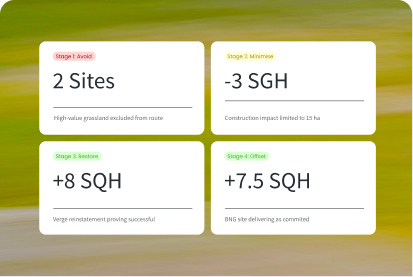
The Nature Intelligence Platform
The portfolio dashboard and system of record that centralises nature data across thousands of sites.
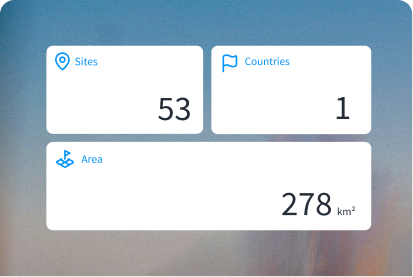
Permitting
and EIA
The portfolio dashboard and system of record that centralises nature data across thousands of sites.