Client Stories
The Kelp Forest Foundation
eDNA insights from the Falkland Islands give an ecosystem-scale blueprint for pristine kelp forests. Restoration projects around the world can use it as a goal.
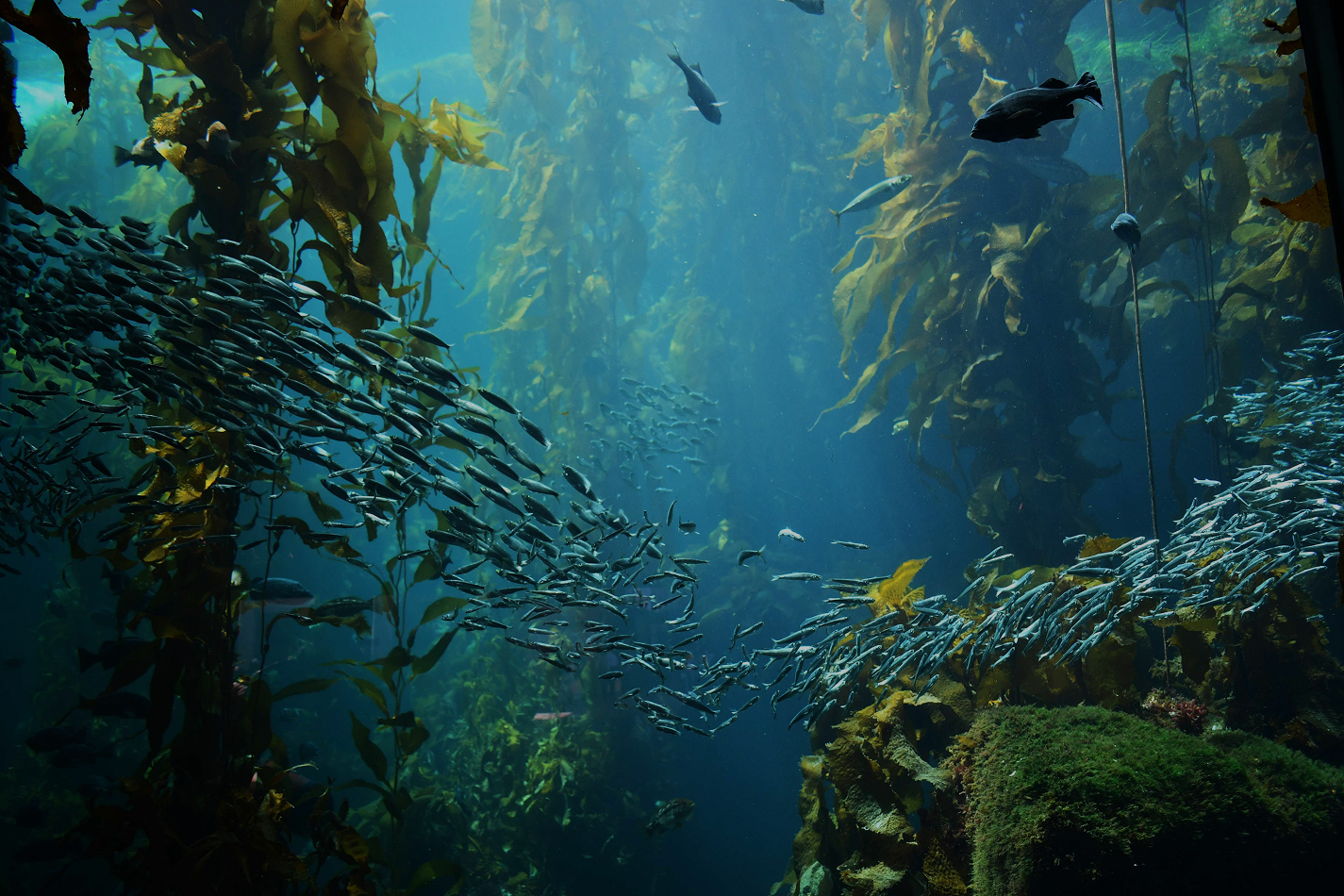
389 species
Detected across the whole tree of life, from penguins and southern elephant seals to sponges, jellyfish and tiny lesser-known organisms
Pristine baseline
A robust biodiversity baseline of pristine giant kelp forests, established to anchor restoration worldwide
Locally collected
Local collaborators, including Kelp Forest Foundation MSc scholars, were trained to collect samples, with no taxonomic expertise needed in the field
Company
The Kelp Forest Foundation
Kelp Forest Foundation (KFF) champions kelp as a nature-based solution. It builds the science, standards and real-world projects needed to make kelp ecosystems measurable, investable and ready to scale worldwide.
Sector and Environment
Conservation & Forestry
Marine
Sample type
Aquatic

Overview
eDNA sampling was carried out across the pristine giant kelp forests of the Falkland Islands. It was part of a wider effort to set biodiversity benchmarks for kelp forest restoration around the world. In this remote region, eDNA gave ecosystem-scale insights and revealed hidden diversity. The results provide a blueprint for pristine kelp forest health, to be used in developing universal kelp ecosystem health metrics.
The challenge
The Falkland Islands host some of the world’s most pristine giant kelp forests, but their remoteness means they have been little studied. Kelp Forest Foundation aims to survey these unique habitats while they remain intact and set benchmarks for restoration worldwide.
The remote location created major logistical barriers. Traditional, expert-led monitoring was not possible within the short timescale required.
The Foundation needed a practical way to survey quickly and produce biodiversity insights across the tree of life, without sending a full team of taxonomic experts into the field.
Our role
NatureMetrics sent aquatic eDNA sampling kits to the Falklands. Local collaborators, including Kelp Forest Foundation MSc scholars, were trained to collect the samples, and no taxonomic expertise was needed in the field. The samples were analysed at NatureMetrics’ UK laboratory, giving comprehensive biodiversity insights across the tree of life from a remote location.
The findings
Our DNA analysis found 389 species across the whole tree of life. They ranged from penguins and southern elephant seals to fish, sponges, shellfish, jellyfish and sea stars. Many were lesser-known tiny organisms that almost certainly play a range of roles in keeping the ecosystem healthy. This whole-ecosystem dataset gives a valuable baseline of pristine kelp forest health.
The impact
The project shows how eDNA can bring in local stakeholders to produce rigorous, ecosystem-scale biodiversity data quickly and efficiently, even in the most remote and logistically difficult environments.
The data will feed into global modelling that combines results from other kelp forests around the world. This will show how biological communities in giant kelp habitats respond to stressors such as climate change.
The Falklands baseline will anchor this modelling. It will help create simple, accurate metrics of ecosystem health that can measure how well conservation, restoration and sustainable use of giant kelp forests are working. These metrics will guide kelp ecosystem management worldwide.
More client stories
Learn how NatureMetrics’ data and insight empowered businesses
with the clarity they needed to make lasting change
HECTAR
Proving what works: How HECTAR is building the monitoring standard for regenerative agriculture
Read more →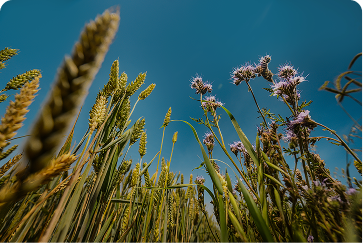

Wildfarmed
126% increase in pollinator activity: how Wildfarmed proved regenerative farming works
Read more →
AtkinsRéalis Mongolia
How AtkinsRéalis used eDNA to enhance biodiversity assessment for irrigation investment in Mongolia
Read more →Ready to build a nature strategy on evidence you can defend?
Tell us where you are and what your board, auditors or investors are asking for. We will map the fastest route to decision-grade answers.